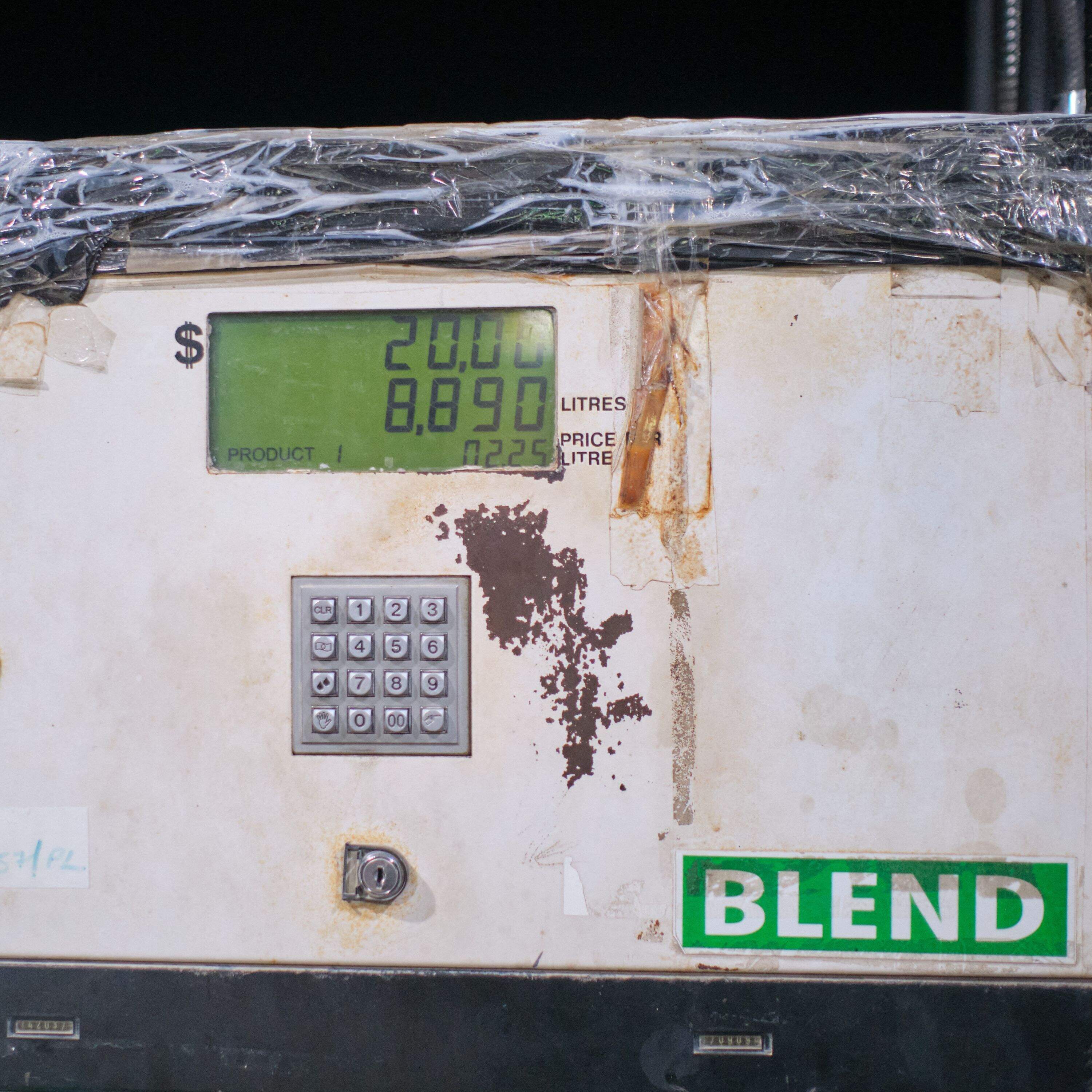
The closure of the Strait of Hormuz has triggered a global oil crisis, exposing vulnerabilities in nations dependent on imported oil. New Zealand faces just 27 days of jet fuel reserves and rising diesel prices, while Zimbabwe endures 40% price hikes and fuel taxes that strain its low-income population. In contrast, China's strategic oil stockpiling, energy diversification, and access to discounted oil from sanctioned nations like Iran position it as the most resilient major economy.
Why listen
Understand how global energy shocks ripple through economies with vastly different levels of preparedness and geopolitical leverage.
Key takeaways
01New Zealand's geographic isolation and reliance on refined fuel imports from Asia leave it with less than a month and a half of jet fuel, driving fears of economic disruption.
02Zimbabwe's fuel prices have surged to among the highest in Africa, exacerbating economic stress in a nation with average incomes under $2,500 and limited fiscal flexibility.
03China's deliberate energy strategy—stockpiling, diversification into coal and renewables, and sourcing cheap oil from sanctioned producers—has insulated it from the global shock.