Tech Policy
Trump’s Risky Strategy to Blockade Iran’s Blockade
aired Apr 15, 2026 · 31.0m
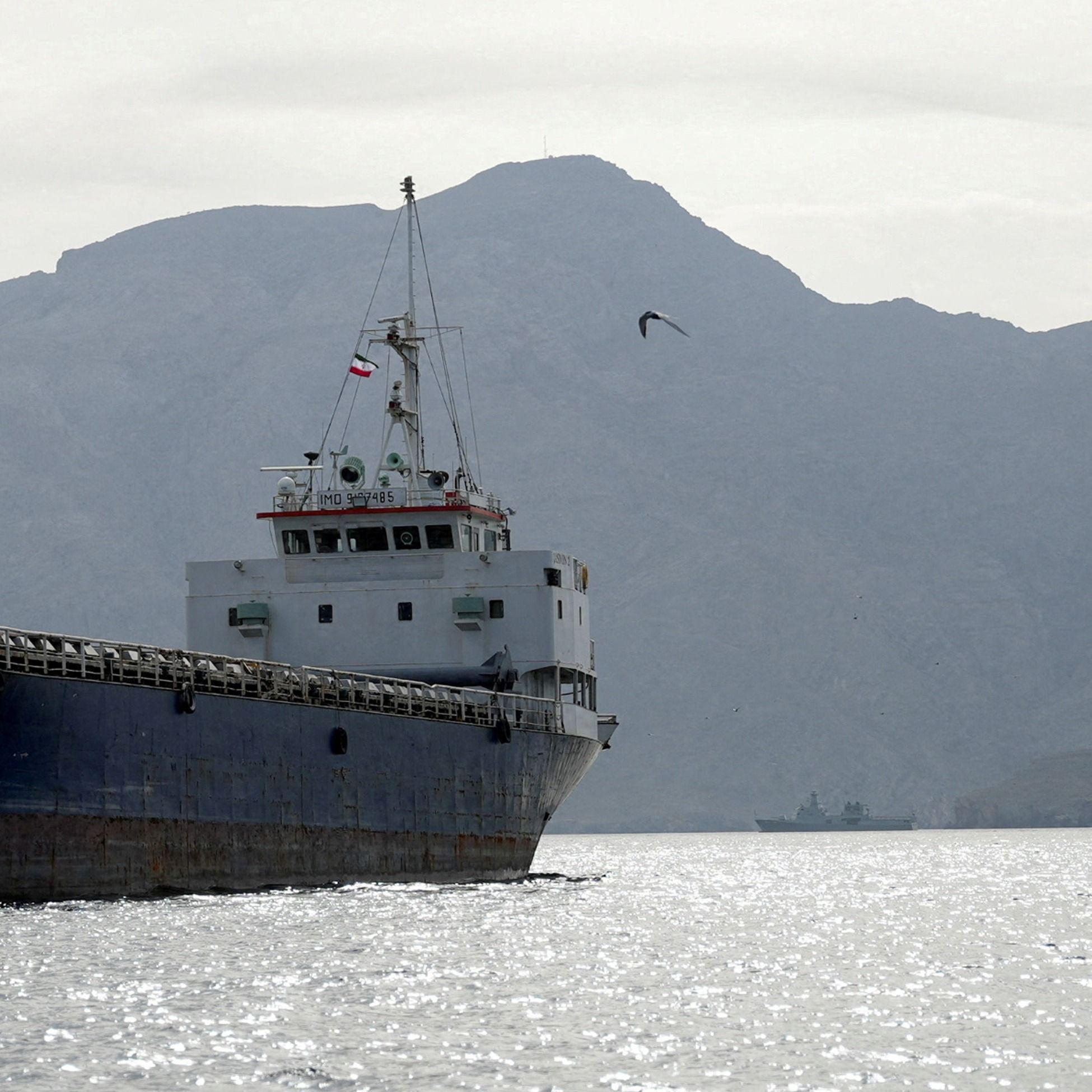
The Trump administration has imposed a naval blockade on Iran to reverse Tehran's control over the Strait of Hormuz, where Iran had begun levying $2 million tolls on ships—a move seen as economic blackmail. The U.S. strategy aims to cripple Iran's oil revenue, particularly funding for the Islamic Revolutionary Guard Corps, and force concessions in nuclear negotiations. The operation carries significant risks, including direct retaliation from Iran, confrontation with Chinese oil tankers, and long-term damage to regional energy infrastructure.
Understand how control of a single maritime chokepoint can trigger global economic and military consequences, and how the U.S. is using naval power as leverage in high-stakes geopolitical negotiations.