Science Tech
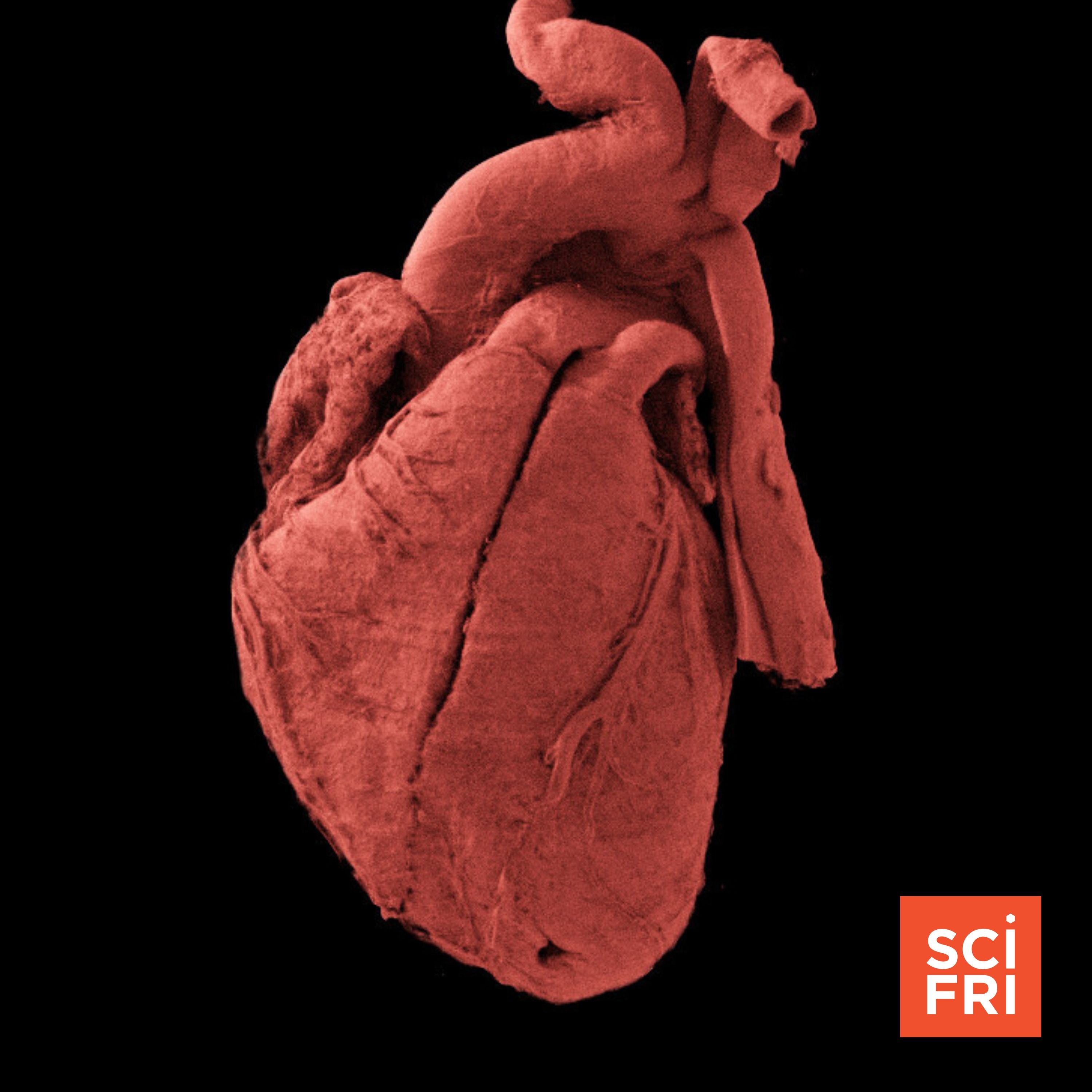
How a particle accelerator illuminated 56 human organs
aired Apr 17, 2026
The Human Organ Atlas uses synchrotron-based hierarchical phase contrast tomography (hip-CT) to generate ultra-high-resolution 3D scans of 56 human organs, leveraging the intense x-ray brilliance of a particle accelerator in Grenoble. This technique captures microscopic structural details—such as individual alveoli in lungs and nephrons in kidneys—far beyond conventional CT scans by measuring x-ray wave interference rather than absorption. The resulting open-access database enables unprecedented research into organ microstructure and disease pathology.
Discover how particle accelerator technology is revolutionizing anatomical science with open-access, ultra-detailed 3D organ maps that could transform disease research.