News
I Don't Have To Answer That
aired Jan 30, 2016 · 36.0m
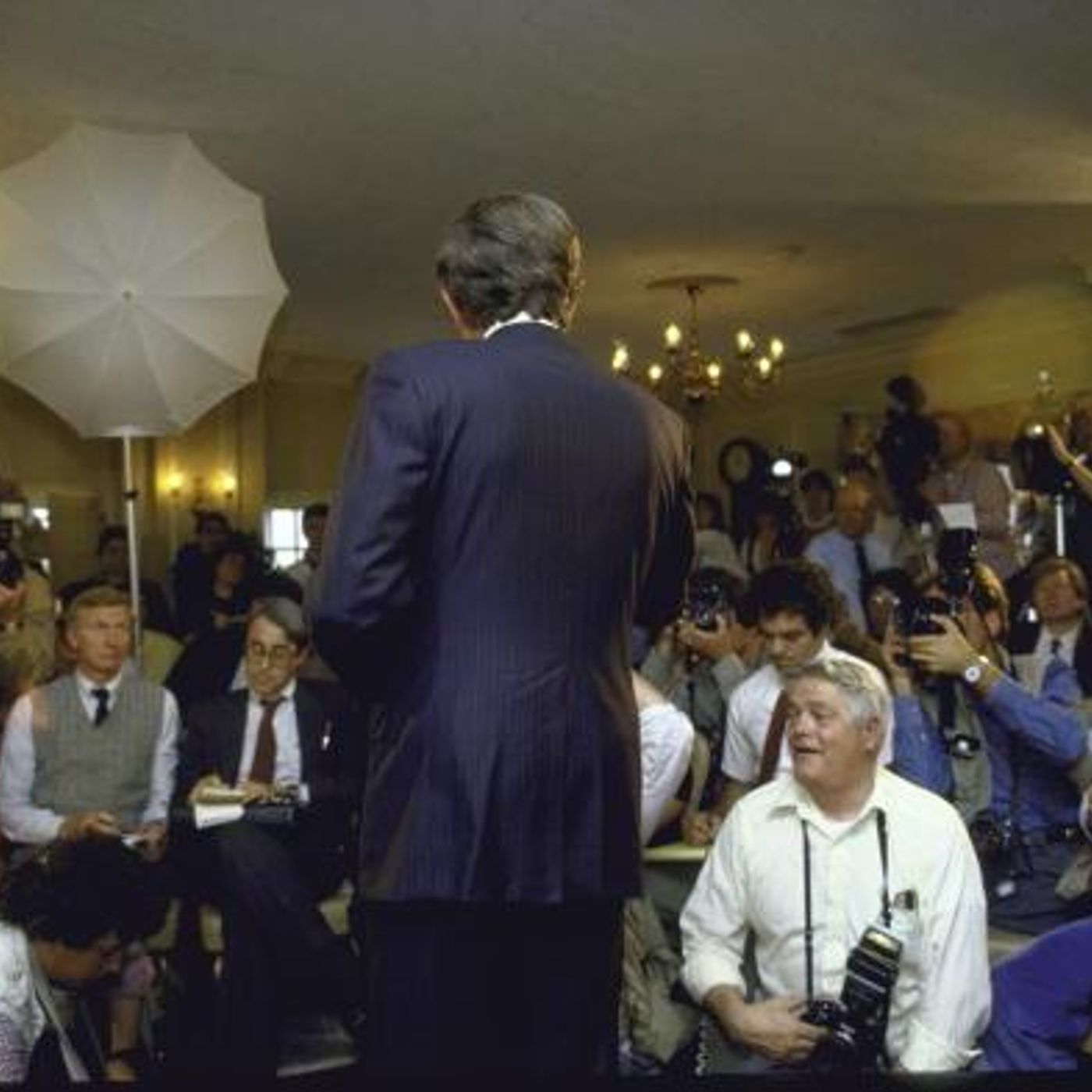
The episode examines the 1987 Gary Hart scandal as a turning point in political journalism, arguing that it marked the moment when candidates' personal lives became fair game for media scrutiny. It presents the shift from privacy norms in politics—exemplified by JFK and FDR—to post-Watergate skepticism that equated personal character with public integrity. The narrative is built around Tom Fiedler’s investigation and Hart’s subsequent withdrawal from the presidential race.
It offers a foundational case study in how media ethics and political accountability norms evolved in late-20th-century America.