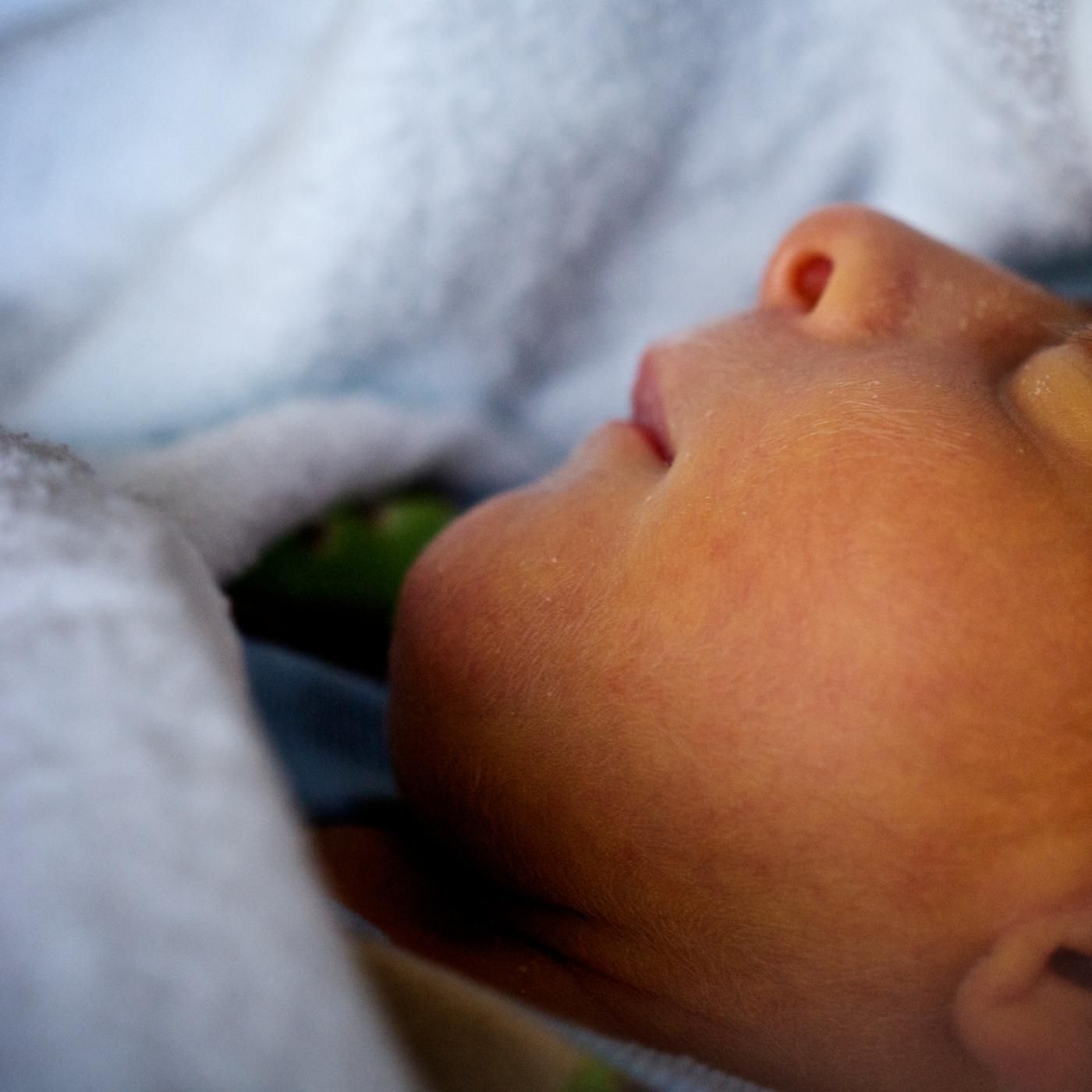
Sarah Gray donated her son Thomas' organs after he died from anencephaly, leading her to track how his corneas and liver were used in research. She visited labs in Boston and Durham, meeting scientists who used his tissue to study blindness and liver disease. The episode explores grief, meaning-making, and the human side of organ donation in medical research.
Why listen
It humanizes the scientific process by showing how one family’s loss became a contribution to medical research, offering emotional and ethical depth rarely covered in science media.
Key takeaways
01Anencephaly results in non-viable infants, but their organs can still be used for research even if not for transplant.
02Tissue from infants with anencephaly is rare and valuable for studying developmental biology and disease.
03Donor families may seek closure by connecting directly with researchers, revealing an emotional dimension to scientific work.
Best for
people interested in bioethicsthose coping with perinatal losslisteners who appreciate narrative-driven science storytelling